

What is the build material of a durable air tire inflator?
Jul 30, 2026
When it comes to ensuring the durability of an air tire inflator, the choice of build materials plays a pivotal role. As a seasoned supplier of air tire inflators, I've witnessed firsthand how the right materials can significantly enhance the performance and longevity of these essential tools. In this blog, we'll delve into the key build materials that contribute to the durability of an air tire inflator and why they matter.
1. Metal Components
Metal is a fundamental material in the construction of air tire inflators, offering strength, stability, and resistance to wear and tear. The most commonly used metals in inflator manufacturing include steel and aluminum.
Steel
Steel is renowned for its high strength and durability. It can withstand high pressures and heavy use, making it an ideal choice for components such as the pump cylinder, pistons, and valves. The pump cylinder, in particular, is subjected to significant stress during operation as it compresses air to inflate the tires. A steel cylinder can handle this stress without deforming or cracking, ensuring consistent performance over time.
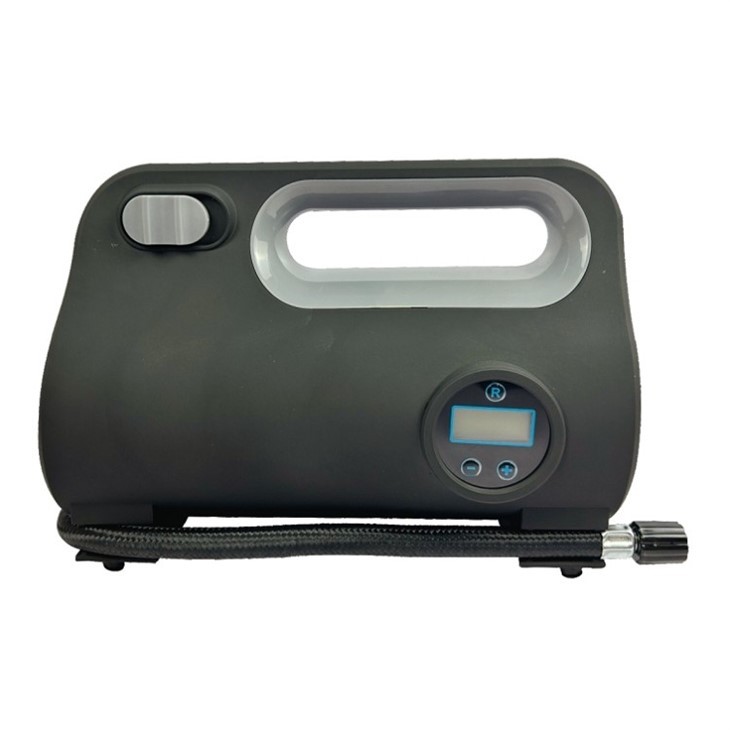
For example, our Inflator Tyre Compressor features a high - quality steel pump cylinder. This design not only provides the necessary strength to generate sufficient air pressure but also resists corrosion, which is crucial when the inflator is used in various environments, including wet or humid conditions.
Aluminum
Aluminum is another popular metal used in air tire inflators. It is lightweight yet strong, which is beneficial for portable inflators. Portable inflators need to be easy to carry around, and the use of aluminum helps reduce the overall weight of the device without sacrificing its structural integrity.
In our Portable Car Air Compressor, aluminum is used in the housing and some internal components. The lightweight nature of aluminum makes it convenient for drivers to keep the inflator in their cars for emergency tire inflation. Additionally, aluminum has good heat dissipation properties. During the inflation process, the compressor generates heat, and the aluminum housing helps dissipate this heat, preventing overheating and extending the lifespan of the inflator.
2. Plastic Components
Plastic is also an important material in air tire inflators, offering several advantages such as cost - effectiveness, design flexibility, and lightweight.
Engineering Plastics
Engineering plastics are specially formulated to have high strength, heat resistance, and chemical resistance. They are commonly used in the construction of the inflator's housing, handles, and some internal parts.
For instance, polycarbonate is a type of engineering plastic that is often used in our inflators. It has excellent impact resistance, which means the inflator can withstand accidental drops or bumps without breaking. The housing made of polycarbonate also provides good insulation, protecting the internal components from external elements.
Our Inflator Tyre Compressor Factory utilizes advanced injection - molding techniques to produce plastic components with high precision. This ensures a perfect fit between different parts of the inflator, reducing the risk of air leaks and improving the overall performance of the device.
Rubber
Rubber is an essential material for air seals and hoses in air tire inflators. It provides a tight seal to prevent air leakage, which is crucial for efficient inflation. High - quality rubber is resistant to abrasion, ozone, and heat, ensuring long - term reliability.
The air hoses in our inflators are made of rubber compounds that are flexible yet strong. They can be easily maneuvered to reach the tire valves, and their durability ensures that they won't crack or leak over time. The rubber seals in the valves and connections also play a vital role in maintaining air pressure during the inflation process.
3. Electrical Components
In modern air tire inflators, electrical components are integral to their operation. The choice of materials for these components can affect the reliability and safety of the inflator.
Copper Wiring
Copper is the preferred material for electrical wiring in air tire inflators. It has excellent electrical conductivity, which means it can efficiently transmit electrical power from the power source to the motor. Copper wiring also has low resistance, reducing the amount of heat generated during operation.
Our inflators are equipped with high - quality copper wiring to ensure a stable and efficient power supply. This not only improves the performance of the inflator but also reduces the risk of electrical failures, such as short circuits or overheating.
Motor Components
The motor is the heart of an air tire inflator, and the materials used in its construction are crucial for its durability. The stator and rotor in the motor are typically made of laminated steel sheets. These sheets are insulated from each other to reduce eddy current losses, improving the efficiency of the motor.
The bearings in the motor are usually made of high - quality steel or ceramic. Steel bearings are strong and can withstand heavy loads, while ceramic bearings offer lower friction and better heat resistance. Our inflators are designed with high - performance motors that use the appropriate materials to ensure smooth and reliable operation.
4. Surface Treatments
Surface treatments are applied to the components of air tire inflators to enhance their durability and resistance to corrosion.
Powder Coating
Powder coating is a popular surface treatment for metal components. It provides a protective layer that is resistant to scratches, chips, and corrosion. The powder coating process involves applying a dry powder to the surface of the component and then baking it to form a hard, durable finish.
In our inflators, the metal parts such as the housing and the pump cylinder are powder - coated. This not only gives the inflator a sleek and professional appearance but also protects it from the elements, extending its lifespan.
Anodizing
Anodizing is a surface treatment commonly used for aluminum components. It creates a thin, hard oxide layer on the surface of the aluminum, which enhances its corrosion resistance and wear resistance. Anodized aluminum components are also more aesthetically pleasing and can be dyed in different colors.
The aluminum parts in our inflators, such as the housing and some internal components, are anodized. This treatment helps maintain the integrity of the aluminum, ensuring that it remains in good condition even after prolonged use.
Why the Right Build Materials Matter
The choice of build materials directly impacts the durability, performance, and safety of an air tire inflator. A durable inflator can withstand the rigors of regular use and harsh environments, providing reliable service for years.
Using high - quality materials also reduces the risk of malfunctions and breakdowns. For example, a steel pump cylinder is less likely to crack or deform under high pressure, while a rubber seal with good abrasion resistance is less likely to leak air. This means fewer repairs and replacements, saving both time and money for the users.
In addition, the right materials can enhance the user experience. A lightweight inflator made with aluminum and engineering plastics is easier to carry and handle, while a well - designed inflator with proper surface treatments looks more professional and is more appealing to customers.
Contact Us for Your Air Tire Inflator Needs
If you're in the market for a durable air tire inflator, we're here to help. As a leading supplier of air tire inflators, we offer a wide range of products that are built with high - quality materials to ensure long - term performance and reliability. Whether you need a portable car air compressor or a heavy - duty inflator for industrial use, we have the right solution for you.
Contact us today to discuss your requirements and explore our product range. We look forward to working with you and providing you with the best air tire inflator solutions.

References
- Smith, J. (2018). Materials Science for Engineering Applications. New York: Academic Press.
- Brown, A. (2019). Automotive Compressor Technology. London: Wiley.
- Johnson, R. (2020). Durability Testing of Industrial Tools. Chicago: TechBooks.