

What is the maximum pressure a pump for car tires can reach?
Oct 10, 2025
When it comes to maintaining the optimal performance and safety of your vehicle, proper tire inflation is of utmost importance. As a leading supplier of pumps for car tires, we understand the critical role that these pumps play in ensuring your tires are always at the right pressure. One of the most frequently asked questions we receive is, "What is the maximum pressure a pump for car tires can reach?" In this blog post, we will delve into this topic in detail, exploring the factors that influence a tire pump's maximum pressure and the different types of pumps available in the market.
Understanding Tire Pressure Basics
Before we discuss the maximum pressure a tire pump can reach, it's essential to understand the concept of tire pressure and why it matters. Tire pressure is measured in pounds per square inch (PSI) or kilopascals (kPa). The recommended tire pressure for your vehicle can usually be found in the owner's manual or on a sticker inside the driver's door jamb. Maintaining the correct tire pressure ensures proper handling, improves fuel efficiency, and extends the lifespan of your tires.
Underinflated tires can lead to increased rolling resistance, which means your engine has to work harder to move the vehicle. This results in lower fuel efficiency and can cause uneven tire wear, reducing the tire's lifespan. On the other hand, overinflated tires can make the ride uncomfortable, reduce traction, and increase the risk of a blowout.

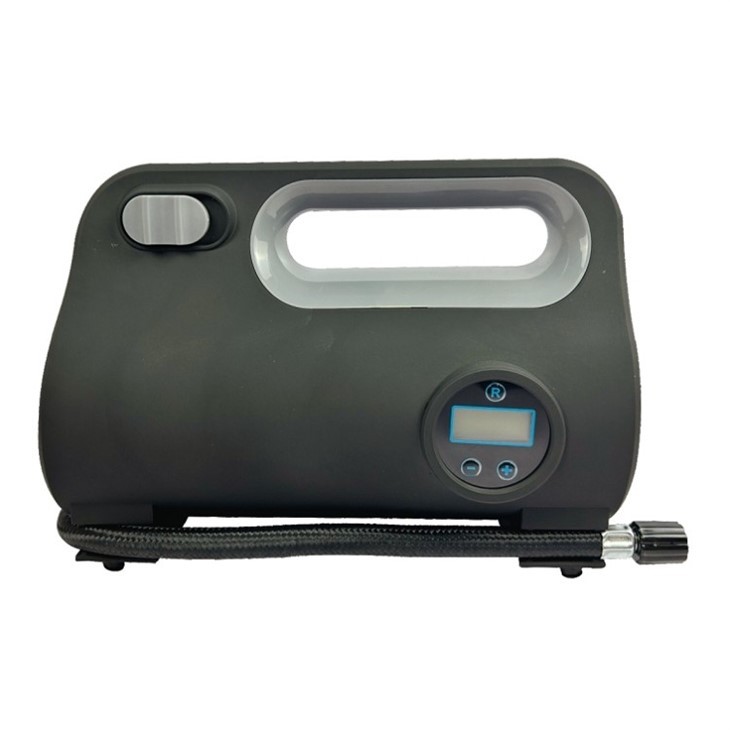
Factors Affecting the Maximum Pressure of a Tire Pump
Several factors influence the maximum pressure a tire pump can reach. These include the pump's design, the power source, and the intended use.
Pump Design
The design of the pump plays a crucial role in determining its maximum pressure. Pumps with larger cylinders and more robust pistons can generate higher pressures. Additionally, the quality of the materials used in the pump's construction can affect its performance. High-quality pumps are typically built to withstand higher pressures and are less likely to fail under stress.
Power Source
The power source of the pump also affects its maximum pressure. There are three main types of power sources for tire pumps: electric, manual, and battery-powered.
- Electric Pumps: Electric pumps are usually the most powerful and can reach higher pressures compared to manual or battery-powered pumps. They are typically connected to the vehicle's cigarette lighter or a household electrical outlet. Electric pumps are ideal for quickly inflating tires to high pressures and are commonly used in professional auto shops and by drivers who need to inflate large or heavy-duty tires.
- Manual Pumps: Manual pumps are powered by hand and are the most basic type of tire pump. They are lightweight, portable, and easy to use but have limited pressure capabilities. Manual pumps are suitable for occasional use and are often used to top off tire pressure when a more powerful pump is not available.
- Battery-Powered Pumps: Battery-powered pumps offer a good balance between portability and power. They are powered by rechargeable batteries and can be used anywhere, making them a popular choice for drivers on the go. Battery-powered pumps can reach moderate pressures and are suitable for most passenger vehicles.
Intended Use
The intended use of the pump also affects its maximum pressure. Pumps designed for passenger vehicles typically have a maximum pressure of around 100 - 120 PSI, which is sufficient for most car tires. However, pumps designed for heavy-duty vehicles, such as trucks and SUVs, may have a higher maximum pressure, ranging from 150 - 200 PSI or more.
Types of Car Tire Pumps and Their Maximum Pressures
Now that we understand the factors that affect a tire pump's maximum pressure, let's take a closer look at the different types of car tire pumps available in the market and their typical maximum pressures.
Inflator Tyre Compressor
An Inflator Tyre Compressor is a powerful electric pump that can quickly inflate tires to high pressures. These pumps are commonly used in professional auto shops and by drivers who need to inflate large or heavy-duty tires. Inflator tyre compressors typically have a maximum pressure of 150 - 200 PSI or more, making them suitable for a wide range of applications.
Portable Car Air Compressor
A Portable Car Air Compressor is a versatile pump that can be used to inflate car tires, sports equipment, and other inflatable items. These pumps are usually battery-powered or can be connected to the vehicle's cigarette lighter. Portable car air compressors typically have a maximum pressure of 100 - 120 PSI, which is sufficient for most passenger vehicles.
Mini Car Tire Air Pump
A Mini Car Tire Air Pump is a compact and lightweight pump that is ideal for occasional use. These pumps are usually battery-powered or manual and are designed to be easy to carry and store. Mini car tire air pumps typically have a maximum pressure of 80 - 100 PSI, which is suitable for topping off tire pressure or inflating small tires.
Choosing the Right Tire Pump for Your Needs
When choosing a tire pump, it's important to consider your specific needs and requirements. If you need to inflate large or heavy-duty tires, an inflator tyre compressor or a powerful electric pump may be the best option. If you're looking for a portable pump that you can use on the go, a battery-powered or manual pump may be more suitable.
Here are some factors to consider when choosing a tire pump:
- Maximum Pressure: Make sure the pump's maximum pressure is sufficient for your needs. If you have a heavy-duty vehicle or need to inflate large tires, choose a pump with a higher maximum pressure.
- Inflation Speed: Consider how quickly you need to inflate your tires. Electric pumps are usually the fastest, followed by battery-powered pumps and then manual pumps.
- Portability: If you need to carry the pump with you on the go, choose a lightweight and compact pump. Battery-powered and manual pumps are typically more portable than electric pumps.
- Ease of Use: Look for a pump that is easy to operate and has clear instructions. Some pumps come with additional features, such as a pressure gauge or an automatic shut-off function, which can make the inflation process easier and more convenient.
Importance of Regular Tire Pressure Checks
Regardless of the type of tire pump you choose, it's important to regularly check your tire pressure to ensure your tires are always at the right pressure. We recommend checking your tire pressure at least once a month and before long trips.
To check your tire pressure, you will need a tire pressure gauge. Simply remove the valve cap from the tire, press the gauge onto the valve stem, and read the pressure on the gauge. Compare the reading to the recommended tire pressure for your vehicle. If the pressure is too low, use your tire pump to inflate the tire to the correct pressure. If the pressure is too high, release some air from the tire using the valve stem.
Conclusion
In conclusion, the maximum pressure a pump for car tires can reach depends on several factors, including the pump's design, the power source, and the intended use. Electric pumps are usually the most powerful and can reach higher pressures compared to manual or battery-powered pumps. When choosing a tire pump, it's important to consider your specific needs and requirements, such as the maximum pressure, inflation speed, portability, and ease of use.
As a leading supplier of pumps for car tires, we offer a wide range of high-quality pumps to meet your needs. Whether you're looking for a powerful inflator tyre compressor, a portable car air compressor, or a mini car tire air pump, we have the perfect solution for you.
If you're interested in purchasing a tire pump or have any questions about our products, please feel free to contact us. Our team of experts is always ready to assist you and provide you with the best advice and solutions for your tire inflation needs.
References
- "Tire Pressure and Safety." National Highway Traffic Safety Administration.
- "How to Check and Maintain Tire Pressure." Consumer Reports.
- "The Importance of Proper Tire Inflation." Goodyear Tire & Rubber Company.